
Lone Tree, CO Electrical Panel & Service Upgrades — Risks of DIY vs Pro
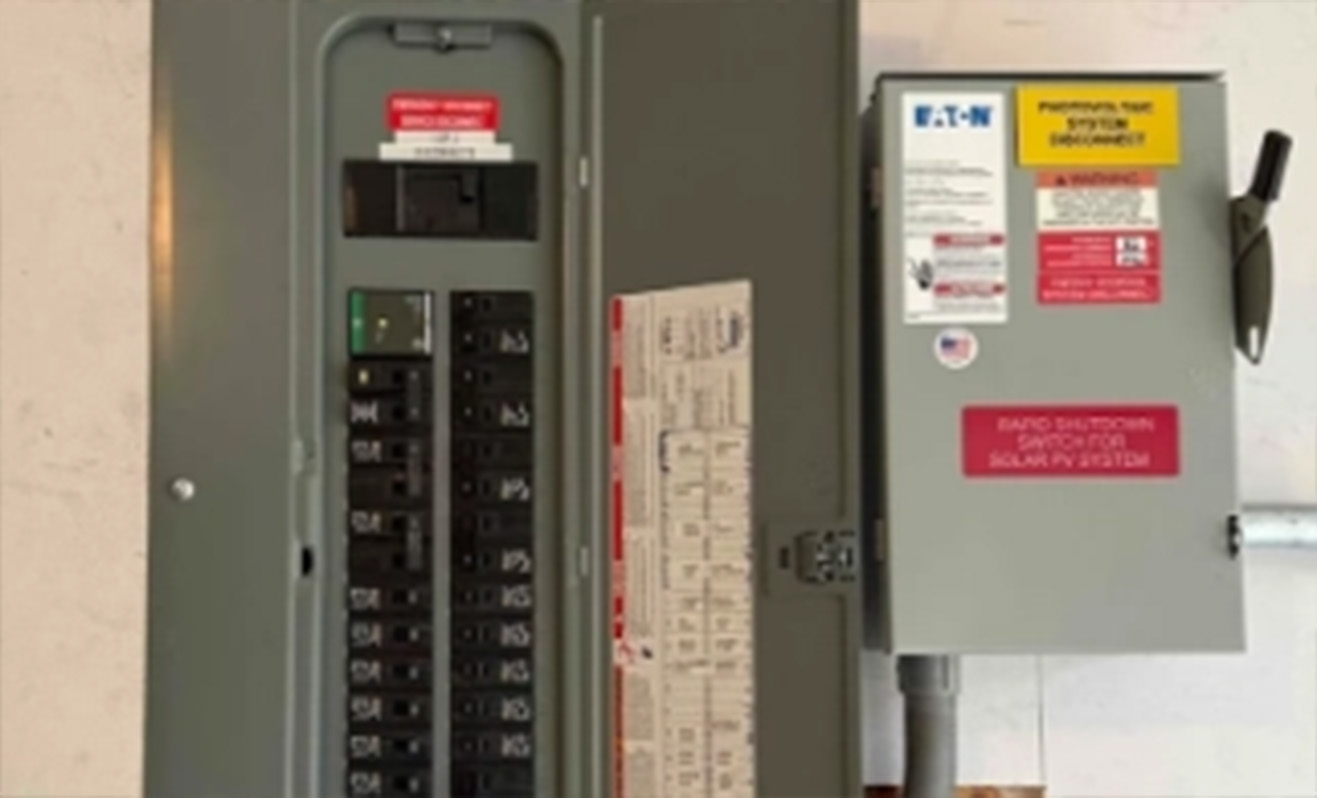
Thinking about DIY electrical panel installation to save money? Here’s the truth: a panel is your home’s heartbeat. A misstep can lead to shock hazards, fires, or denied insurance claims. In this guide, you’ll learn the key risks, what codes and permits require, real costs, and how a licensed pro safeguards your home and budget—even if you plan to add an EV charger or whole‑home surge protection soon.
Why Electrical Panels Are Not a DIY Project
Your main panel controls every circuit in the home. One loose lug or mis‑sized breaker can arc, overheat, and damage appliances or wiring. DIY work also risks shock or electrocution. Panels involve service conductors, bonding, grounding, and load calculations that must be correct the first time. Mistakes rarely show up immediately; they often show up during a storm, a heavy A/C cycle, or a real estate inspection.
Key reasons to think twice:
- Hidden hazards: aluminum feeders, double‑lugged neutrals, undersized grounding, and aging meter bases.
- Manufacturer rules: breakers must match panel listings to trip properly.
- Lifecycle impact: a poor install shortens equipment life and increases nuisance trips.
Code, Permits, and Inspections: What Denver Requires
In the City and County of Denver, a permit and inspection are required for electrical service upgrades and panel replacements. Work must comply with the currently adopted National Electrical Code (NEC). Inspectors verify grounding electrodes, bonding jumpers, conductor sizing, breaker listings, and labeling before approval.
Two hard facts that matter:
- NEC requires GFCI protection in areas like garages, outdoors, and basements, and AFCI protection on many dwelling circuits to reduce shock and fire risk.
- Denver enforces permits and inspections for service equipment changes. Unpermitted work can halt a home sale and may void homeowner’s insurance after a loss.
Professional electricians plan to the code from day one, handle the permit, coordinate utility shutoffs when needed, and meet inspection timelines so your power is restored quickly and safely.
The Load Calculation: How Pros Right‑Size Your Service
Before upgrading, a pro performs a dwelling load calculation. This math looks at square footage, fixed appliances, HVAC, EV charging, and future additions to determine whether 100A, 150A, 200A, or larger service is required. Oversizing can be wasteful, but undersizing risks constant trips or overheated conductors.
What the calculation includes:
- General lighting and receptacle loads by square footage.
- Demand factors for ranges, dryers, and water heaters.
- HVAC compressor and air handler loads.
- EV Level 2 chargers, typically on a 40A circuit at 240V.
- Future projects like hot tubs or finished basements.
Safety Steps Pros Follow on Every Panel Upgrade
Licensed electricians follow a proven workflow to reduce downtime and risk:
- System evaluation: panel capacity, conductor condition, and breaker compatibility.
- Safe power shut‑down and lockout.
- Install listed breakers and a code‑compliant main disconnect as required.
- Proper torqueing of lugs and termination of neutrals and grounds on separate bars.
- Grounding and bonding verification, including water pipe bonds where required.
- Circuit labeling and functional testing of each circuit.
- Final inspection with the city, then restoration of service.
This level of detail prevents arc faults, overheating, and nuisance trips. It also preserves manufacturer warranties.
The Real Risks of DIY Electrical Panel Work
Even careful DIYers face hazards that do not show until it is too late.
Common failure points:
- Neutral and ground mixing on subpanels, creating shock paths.
- Using non‑listed breakers that physically fit but do not trip correctly.
- Double‑tapped breakers feeding two circuits from one lug.
- Undersized service entrance conductors that overheat under load.
- Missing bonding on metallic water or gas piping.
- Loose terminations that arc under heavy A/C or dryer loads.
Consequences you may not see coming:
- Fire risk from arcing and overheated lugs.
- Voided insurance claims after a loss when unpermitted work is found.
- Home sale delays or failed inspections.
- Denied manufacturer warranties on panels and breakers.
Cost Comparison: DIY vs Professional
DIY can seem cheaper until you add the hidden costs of mistakes and time.
DIY costs often include:
- Panel, breakers, fittings, feeders, ground rods, and bonding parts.
- Permit fees and re‑inspection fees.
- Specialty tools: torque screwdriver, knockout set, meter, PPE.
- Time off work, plus the risk of extended power outages.
Professional service includes:
- Properly sized, listed equipment with manufacturer warranty.
- Load calculation, permit handling, and inspection coordination.
- Safe shutdown, clean install, labeling, and testing.
- Code‑compliant grounding and bonding.
- A workmanship guarantee and documented compliance for your records.
Bottom line: a professional upgrade protects your home and your resale value while reducing downtime.
When a Panel Upgrade Makes Sense
If you see any of these, get a professional assessment:
- Frequent breaker trips or warm panel cover.
- Lights dim when large appliances start.
- Rust, scorch marks, or buzzing from the panel.
- Adding high‑demand loads like EV chargers, hot tubs, or mini‑splits.
- Original 60A or 100A service in an expanded home.
A licensed electrician can advise whether a full service upgrade, subpanel, or strategic circuit redistribution is best.
EV Chargers and Future‑Proofing Your Panel
Level 2 EV charging usually needs a dedicated 240V circuit with a properly sized breaker and adequate panel capacity. Many homes require a panel or service upgrade to support the additional load. During a professional upgrade, your electrician can:
- Install a dedicated EV circuit with correct conductor sizing and GFCI protection where required.
- Right‑size the service to accommodate future chargers or a second EV.
- Add whole‑home surge protection to protect sensitive electronics.
Whole‑Home Surge Protection: A Smart Add‑On
Modern homes pack sensitive electronics that do not like voltage spikes. A panel‑mounted surge protective device helps shield HVAC controls, appliances, and chargers during storms and utility events. Pairing surge protection with a panel upgrade is affordable insurance against expensive replacements.
Benefits:
- Protects devices during lightning and grid disturbances.
- Adds a layer of defense beyond point‑of‑use strips.
- Helps preserve warranty coverage on premium equipment.
What to Expect From a Professional Panel Upgrade Visit
Here is how Golden West handles an upgrade from start to finish:
- In‑home evaluation of panel capacity, circuit loads, and overall system condition.
- Clear explanation of findings and upfront pricing before work begins.
- Safe power shutoff, replacement with listed breakers and components, and secure wiring.
- Circuit testing and verification that all work meets local electrical codes and industry standards.
- Coordination of inspections for a smooth approval and power restoration.
You get transparent communication, same‑day options when available, and workmanship that complies with local code.
Insurance, Warranties, and Documentation
Your insurer and future buyer value documentation. Professional electricians provide permit numbers, inspection sign‑offs, equipment model numbers, and torque records where applicable. This paper trail proves compliance, protects warranties, and reduces friction during claims or sales. Unpermitted DIY work can become a financial liability long after the project ends.
How to Choose the Right Electrician in Denver
Use these criteria to compare bids:
- License and insurance proof, plus experience with service upgrades.
- Clear scope, parts list, and permit handling included.
- References and local reviews with documented panel projects.
- Warranty on parts and labor.
- Upfront pricing and realistic timelines.
Golden West has served Denver since 2002 with licensed electricians, upfront pricing, and A+ BBB standing. We handle the entire process so you can focus on life, not logistics.
DIY Tasks You Can Safely Do Before the Pro Arrives
You can still help your project along without entering the panel:
- List rooms or circuits that trip often.
- Note planned upgrades like hot tubs or EVs.
- Clear 3 feet of workspace in front of the panel to meet code.
- Photograph the existing labeling and panel interior for the estimator.
These steps speed up diagnostics and help right‑size your system the first time.
Special Offer: Panel and Circuit Breaker Estimates
- Free New Circuit Breaker & Panel Install Estimate + Same Day Service when available. No service call or dispatch fees. Diagnostic fee waived with work. Book online by 2026-11-04.
- Or choose the $89 Electrical Installation Estimate + Same Day Service option if you prefer a scheduled visit window.
Call 720-213-6954 or book at https://www.goldenwestph.com/ to claim your estimate today.
Frequently Asked Questions
Is it legal to replace my own electrical panel in Denver?
Denver requires a permit and inspection for service upgrades and panel replacements. Homeowners may face restrictions and insurance risks. Hiring a licensed electrician ensures compliance and a smooth inspection.
How long does a professional panel upgrade take?
Most upgrades are completed in one day, with power restored after inspection. Complex service changes or utility coordination can extend timelines into a second day.
Do I need a bigger panel for an EV charger?
Often yes. A Level 2 charger adds significant load. A pro performs a load calculation to see if you need a subpanel or a full service upgrade before installing the EV circuit.
What size service do most modern homes need?
Many modern homes use 200A service, but the correct size depends on calculated load, HVAC, appliances, and planned additions. A proper load calculation is essential.
Is whole‑home surge protection worth it?
Yes. A panel‑mounted surge device helps protect HVAC, appliances, and electronics from spikes. It is inexpensive compared to replacing sensitive equipment after a storm.
Conclusion
DIY electrical panel installation exposes homeowners to safety, code, and insurance risks. A licensed professional delivers a right‑sized, documented, and warrantied result that protects your home and resale value. For compliant electrical panel installation in Denver, schedule your estimate and future‑proof your home for EVs and electronics.
Call or Schedule Now
- Call: 720-213-6954
- Book online: https://www.goldenwestph.com/
- Active offer: Free New Circuit Breaker & Panel Install Estimate + Same Day Service when available (diagnostic fee waived with work).
Ready to upgrade safely and pass inspection the first time? Call 720-213-6954 or book at https://www.goldenwestph.com/ to claim your Free Panel Install Estimate before 2026-11-04.
About Golden West Plumbing, Heating, Air Conditioning, and Electrical
Golden West has served Denver homeowners since 2002 with licensed, experienced electricians and a 100% Satisfaction Guarantee. We’re A+ rated by the BBB and backed by 1,500+ 5‑star Google reviews. Expect upfront pricing, same‑day service when available, and no overtime fees. We follow local permitting and the National Electrical Code on every panel upgrade, surge protector, and EV‑ready circuit so your home is safe, compliant, and built to last.
Sources 12
- New Circuit Breaker & Panel Install Estimate + Same Day Servicewww.goldenwestph.com
- FREE New Circuit Breaker & Panel Install Estimate + Same Day Servicewww.goldenwestph.com
- $89 Electrical Installation Estimate + Same Day Service. We’ll come to your home. Analyze your new electrical installation needs. Present you with a personalized range of solutions to fit your needs. 100% satisfaction guaranteed.www.goldenwestph.com
- Diagnostic fee waived with repair for circuit breaker & panel install when work is performed.goldenwestph.com
- Happy comment by candy ferentchakwww.google.com
- Happy comment by Mandy Salgadowww.google.com
- Happy comment by Greg Grimsleywww.google.com
- Happy comment by lois ellisonwww.google.com
- Plumbing, HVAC & Electrical Services in Lakewood, COwww.goldenwestph.com
- Denver, CO - Golden West Plumbing, Heating, Air Conditioning, & Electricalwww.goldenwestph.com
- Switch and Outlet Installation in Denver, CO | Golden Westgoldenwestph.com
- Top-Rated Car Charging Installation In Denver, COwww.goldenwestph.com